PVC Roofing vs. Other Materials: Making the Best Investment for Your Roof
Choosing the right roofing material is one of the most critical decisions in both residential and commercial construction. The roof serves as the primary barrier against the elements, from harsh sun and heavy rain to snow and strong winds. Its durability, energy efficiency, and overall lifespan directly impact the long-term value of a property. In recent years, PVC roofing has gained traction as a modern, high-performance solution, offering unique benefits that traditional materials may not provide. Understanding how it compares to alternatives like TPO, EPDM, asphalt shingles, and metal roofing is essential for making a strategic investment in a property’s longevity and protection.
The roofing market is crowded with options, each with its own set of advantages and limitations. While asphalt shingles dominate residential markets due to affordability and ease of installation, commercial and flat-roof applications often demand more specialized solutions. PVC roofing stands out for its strength, resistance to weathering, and potential energy savings, making it an attractive choice for property owners aiming to balance cost, durability, and performance. Exploring the distinctions between PVC and other roofing materials provides clarity on which investment yields the greatest return over the lifespan of a roof.
1. Understanding PVC Roofing
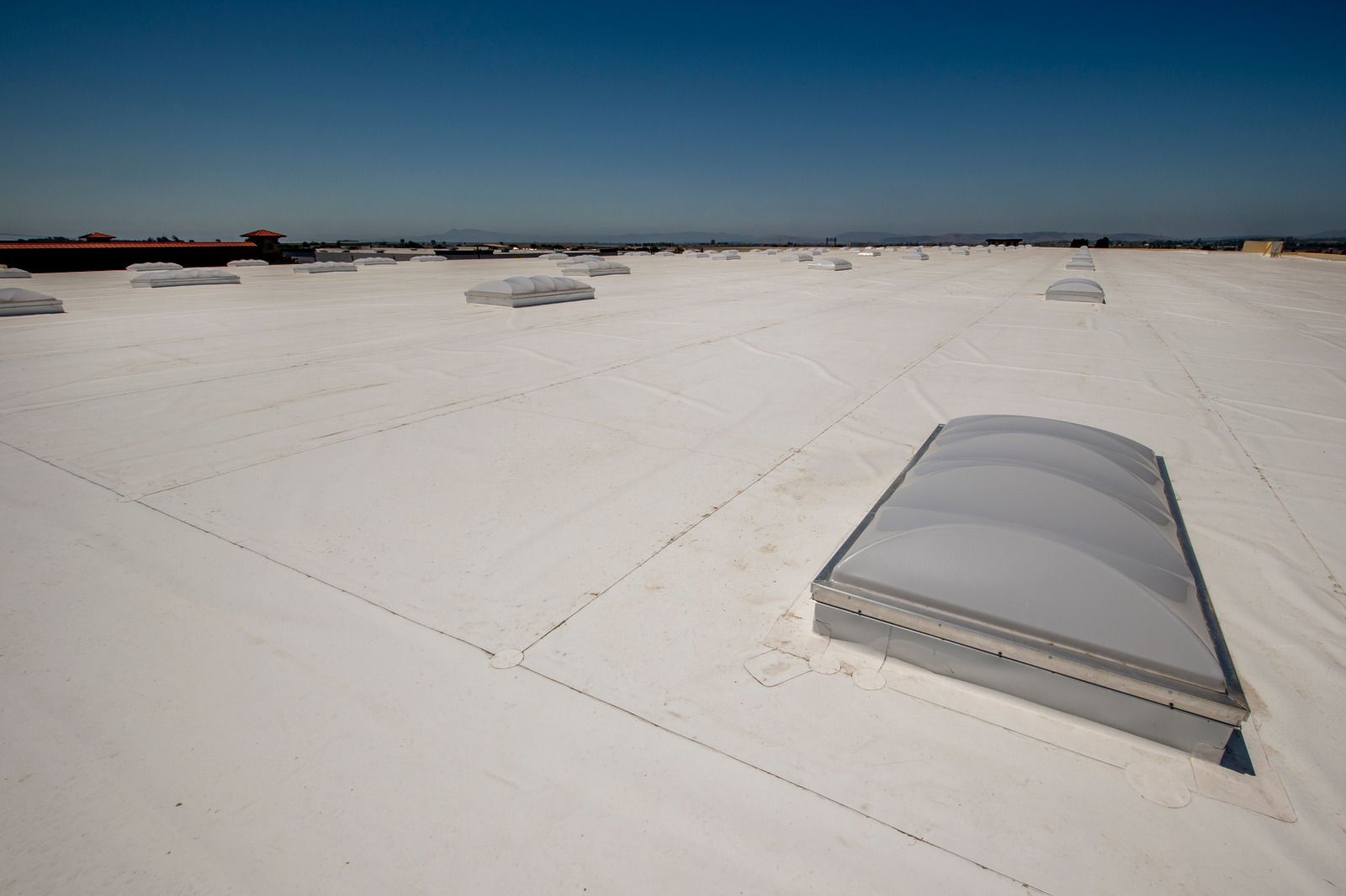
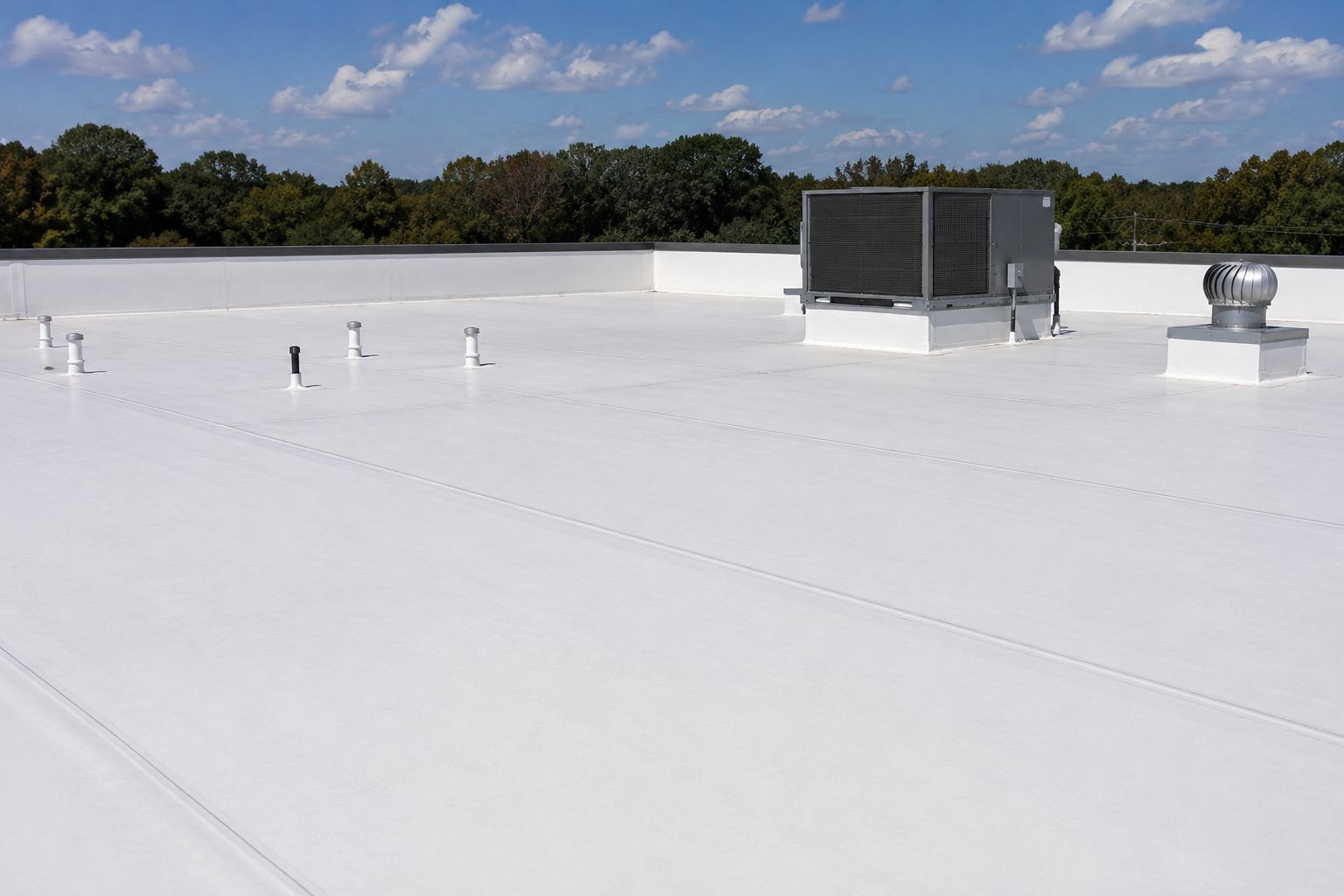
- What is PVC Roofing?:- PVC, or polyvinyl chloride, roofing is a type of single-ply membrane roofing widely used in commercial and residential flat or low-slope roof applications. The material consists of a durable thermoplastic membrane that is heat-welded to form a continuous, watertight layer. Unlike asphalt-based roofing, PVC does not rely on adhesives that can deteriorate over time, reducing the likelihood of leaks. Its composition allows for excellent chemical and fire resistance, making it suitable for a variety of challenging environments.
- Key Benefits of PVC Roofing:-
- Durability: PVC membranes are highly resistant to punctures, tears, and impacts. This makes them ideal for areas with heavy foot traffic or equipment installed on the roof.
- Weather Resistance: PVC performs well in extreme temperatures and exposure to ultraviolet (UV) radiation. It does not degrade easily under sun or rain, ensuring long-term reliability.
- Energy Efficiency: Reflective PVC surfaces can reduce heat absorption, lowering cooling costs in hot climates. White or light-colored membranes are particularly effective for energy savings.
- Low Maintenance: With proper installation, PVC roofs require minimal upkeep compared to traditional roofing, reducing long-term maintenance expenses.
- Real-World Scenario:- A commercial warehouse in a coastal city experienced frequent roof leaks and high cooling costs with an older built-up roof. Switching to PVC reduced leak incidents, and the reflective surface contributed to a noticeable decrease in energy bills during summer months.
2. Comparing PVC to Asphalt Shingles
Material Composition and Lifespan
Asphalt shingles are composed of fiberglass or organic mats coated with asphalt and granules. They are widely popular for residential homes due to affordability and straightforward installation. However, their lifespan typically ranges from 15 to 30 years, depending on climate and maintenance. In contrast, PVC roofs can last 25 to 40 years, offering superior longevity in many conditions.
Performance Under Weather Stress
Asphalt shingles perform adequately in mild climates but are prone to cracking, curling, and granule loss in extreme heat, ice, or heavy storms. PVC membranes resist these challenges, remaining intact under UV exposure, high winds, and even ponding water conditions. This makes PVC a more reliable option in areas prone to weather extremes.
Cost Considerations
Upfront costs for asphalt shingles are generally lower than PVC, which can be a deciding factor for budget-conscious homeowners. However, PVC’s longer lifespan and energy efficiency often offset higher initial expenses, providing better long-term value.
Best Practices
- For Shingle Maintenance: Regular inspections and prompt repair of damaged shingles can extend life but cannot prevent inherent material limitations.
- For PVC Installation: Professional heat-welded seams are crucial for performance, ensuring waterproofing and preventing membrane separation over time.
3. PVC vs. TPO and EPDM Roofing
- Understanding TPO and EPDM:- TPO (Thermoplastic Polyolefin) and EPDM (Ethylene Propylene Diene Monomer) are other popular single-ply roofing materials. TPO offers heat-welded seams like PVC but can shrink over time, leading to potential leaks. EPDM, a synthetic rubber material, is known for affordability and flexibility but may require adhesive seams that degrade with UV exposure.
- Durability Comparison:- PVC offers stronger chemical resistance than TPO and EPDM, making it less vulnerable to oils, cleaning agents, and industrial pollutants. EPDM is highly flexible but may puncture more easily under heavy foot traffic, while TPO’s lifespan may be slightly shorter than PVC in areas with extreme temperature fluctuations.
- Energy Efficiency and Sustainability:- TPO and PVC are highly reflective, contributing to energy efficiency, whereas EPDM typically requires additional coatings for similar reflective performance. PVC membranes can be fully recycled at the end of their life, which supports sustainable building practices more effectively than TPO or EPDM.
- Real-World Example:-
A manufacturing facility using chemical cleaners and solvents on its roof experienced membrane degradation with EPDM. Switching to PVC eliminated chemical damage, and the reflective properties helped maintain interior temperature stability, reducing HVAC costs.
4. PVC vs. Metal Roofing
Installation and Material Differences
Metal roofing, usually made of steel or aluminum panels, is long-lasting and fire-resistant but can be expensive and complex to install. Metal expands and contracts with temperature changes, sometimes causing fasteners to loosen or panels to warp. PVC, being a flexible membrane, avoids these expansion and contraction issues, maintaining continuous coverage without mechanical fasteners subject to loosening.
Maintenance and Repairs
Metal roofs may require periodic inspections for rust, loose panels, or fastener corrosion. PVC requires less frequent maintenance, primarily focusing on debris removal and inspection of heat-welded seams. Repairs, when needed, are easier to perform on a PVC membrane compared to replacing or re-securing metal panels.
Noise and Energy Considerations
Metal roofs can amplify sound during rain or hail, requiring additional insulation for noise reduction. PVC roofing is quieter and contributes to energy efficiency through reflective surfaces. This makes PVC particularly suitable for commercial spaces, schools, or residential homes where noise reduction and energy savings are priorities.
Long-Term Cost Perspective
While metal roofing can last 40 to 70 years, the installation complexity and maintenance costs may offset some long-term benefits. PVC balances durability, low maintenance, and energy efficiency with simpler installation, offering a practical return on investment over decades.
5. Common Challenges and Misconceptions About PVC
- Misconception 1: PVC is Only for Commercial Roofs:- While PVC is widely used in commercial applications, it is equally effective on residential flat or low-slope roofs. Advances in color and design options allow for aesthetic flexibility, making PVC suitable for modern homes with energy efficiency goals.
- Misconception 2: PVC is Too Expensive:- Initial installation costs can be higher than asphalt shingles or EPDM. However, considering PVC’s extended lifespan, lower maintenance requirements, and energy savings, it often proves more economical over the long term.
- Installation Challenges:- Proper installation is crucial for PVC performance. Incorrect heat-welding or membrane placement can lead to leaks or reduced durability. Hiring certified professionals ensures that PVC’s benefits, including waterproofing and energy efficiency, are fully realized.
- Environmental Considerations:-
Some critics raise concerns about PVC’s environmental impact due to chemical composition. Modern PVC manufacturing and recycling programs minimize these concerns, offering a sustainable and recyclable option compared to certain asphalt-based products.
6. Best Practices for Maximizing PVC Investment
Routine Inspections
Even with durable PVC membranes, routine inspections identify debris, punctures, or seam issues before they escalate into costly problems. Inspections every six months or after severe weather events maintain roof integrity.
Roof Cleaning and Maintenance
Keeping the roof clean from debris, algae, or chemical buildup prevents surface damage and preserves reflective properties. Gentle cleaning methods and approved cleaning agents maintain the membrane’s performance without degradation.
Strategic Upgrades
Integrating PVC roofing with insulation or energy-efficient coatings enhances performance and contributes to long-term savings. Reflective coatings or light-colored membranes maximize energy efficiency, particularly in warmer climates.
Engaging Professionals
Certified PVC installers ensure proper seam welding, membrane adhesion, and flashing installation. Expertise in flat and low-slope roofing guarantees durability, leak resistance, and compliance with building codes.
Smart Roof Investments with Pinnacle Roofing Professionals
Selecting the right roofing material is a balance between performance, longevity, and return on investment. PVC roofing demonstrates clear advantages over asphalt shingles, TPO, EPDM, and metal roofing, particularly in durability, weather resistance, energy efficiency, and low maintenance requirements. While upfront costs may appear higher, the extended lifespan and reduced repair and energy expenses make PVC a smart choice for both commercial and residential applications. Understanding the differences between materials, their limitations, and best practices ensures that property owners make informed decisions that protect assets and enhance building performance for decades.
At Pinnacle Roofing, we bring over 30 years of experience in providing high-quality roofing solutions to the West Haven, CT community. Our expertise spans residential, commercial, and industrial roofing projects, offering tailored recommendations that prioritize long-term performance, energy efficiency, and durability. Specializing in PVC roofing, we ensure every installation is executed with precision, using certified techniques to guarantee seamless waterproofing, reinforced seams, and optimal reflective properties. Our commitment extends beyond installation—we provide ongoing inspections, maintenance guidance, and repair services to protect your investment throughout the roof’s lifespan.
Choosing Pinnacle Roofing
means working with a trusted authority dedicated to excellence, integrity, and customer satisfaction. Every project receives careful attention to detail, adherence to industry standards, and strategic recommendations designed to maximize return on investment. With decades of experience and a track record of successful roofing projects, Pinnacle Roofing
delivers solutions that combine durability, aesthetics, and efficiency. For property owners seeking roofing expertise they can rely on, we are the professional partner that turns roofing decisions into lasting, confident investments.