Is TPO Roofing the Right Choice for Your Commercial Property?
Choosing the right roofing system is one of the most critical decisions for any commercial property. Roofs are not only the first line of defense against harsh weather and environmental factors but also play a pivotal role in energy efficiency, long-term maintenance costs, and overall property value. Among the wide range of roofing options available, TPO roofing has gained considerable attention for its durability, energy efficiency, and cost-effectiveness. Evaluating whether TPO roofing is the right fit for a specific property requires understanding its composition, performance characteristics, and suitability for different commercial settings.
Thermoplastic Polyolefin (TPO) roofing is a single-ply roofing membrane that has become increasingly popular in commercial construction. Its reputation stems from a combination of reflective properties, resistance to chemicals and UV rays, and simplified installation methods. Property owners and facility managers are increasingly weighing the benefits and potential drawbacks of TPO against traditional roofing systems like EPDM or modified bitumen. This analysis provides actionable insights, practical considerations, and expert reasoning to guide decision-making. By understanding TPO roofing's features, advantages, challenges, and best practices, property stakeholders can make an informed choice that balances performance, budget, and long-term reliability.
Understanding TPO Roofing Systems
What Is TPO Roofing?
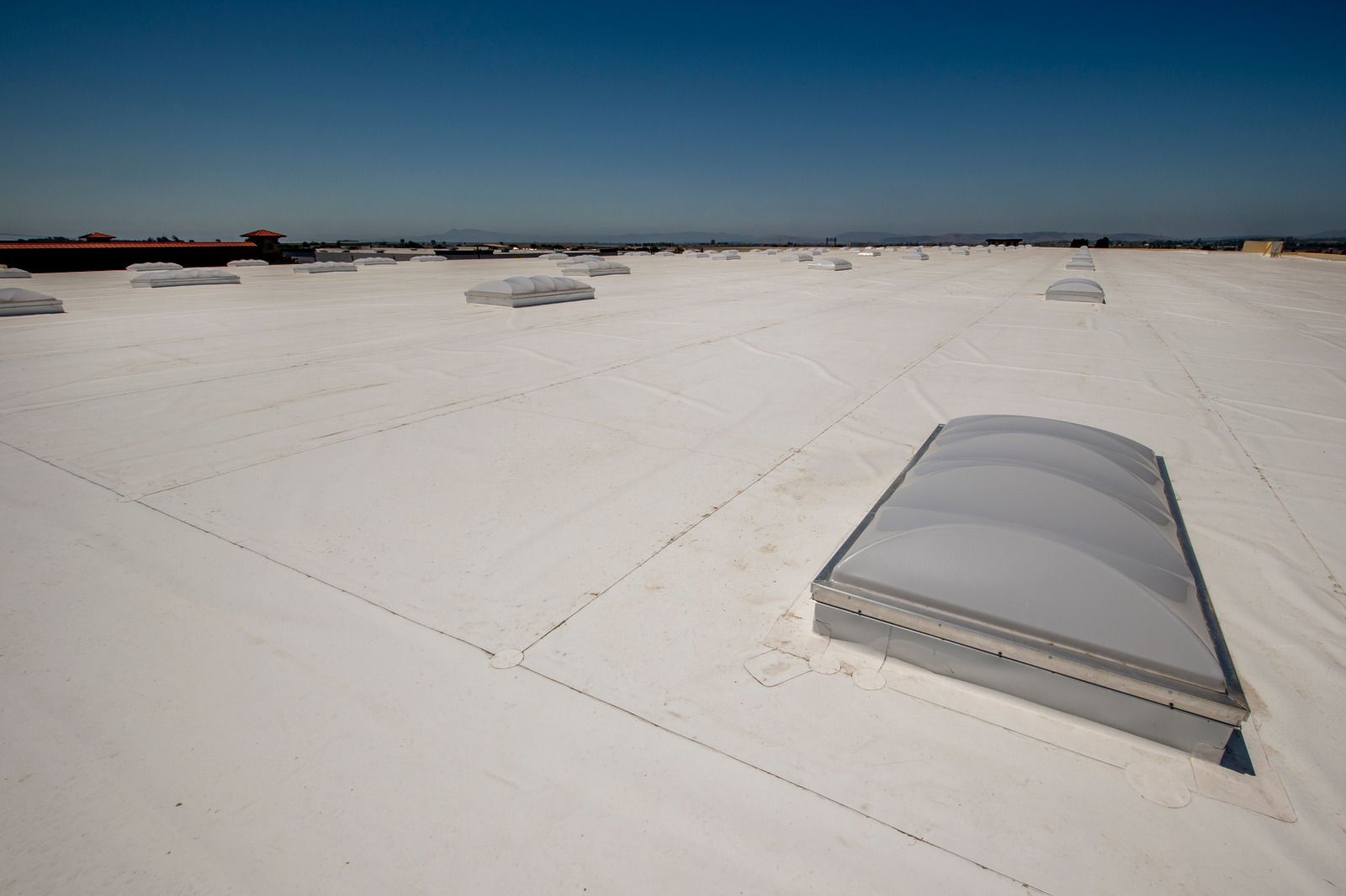
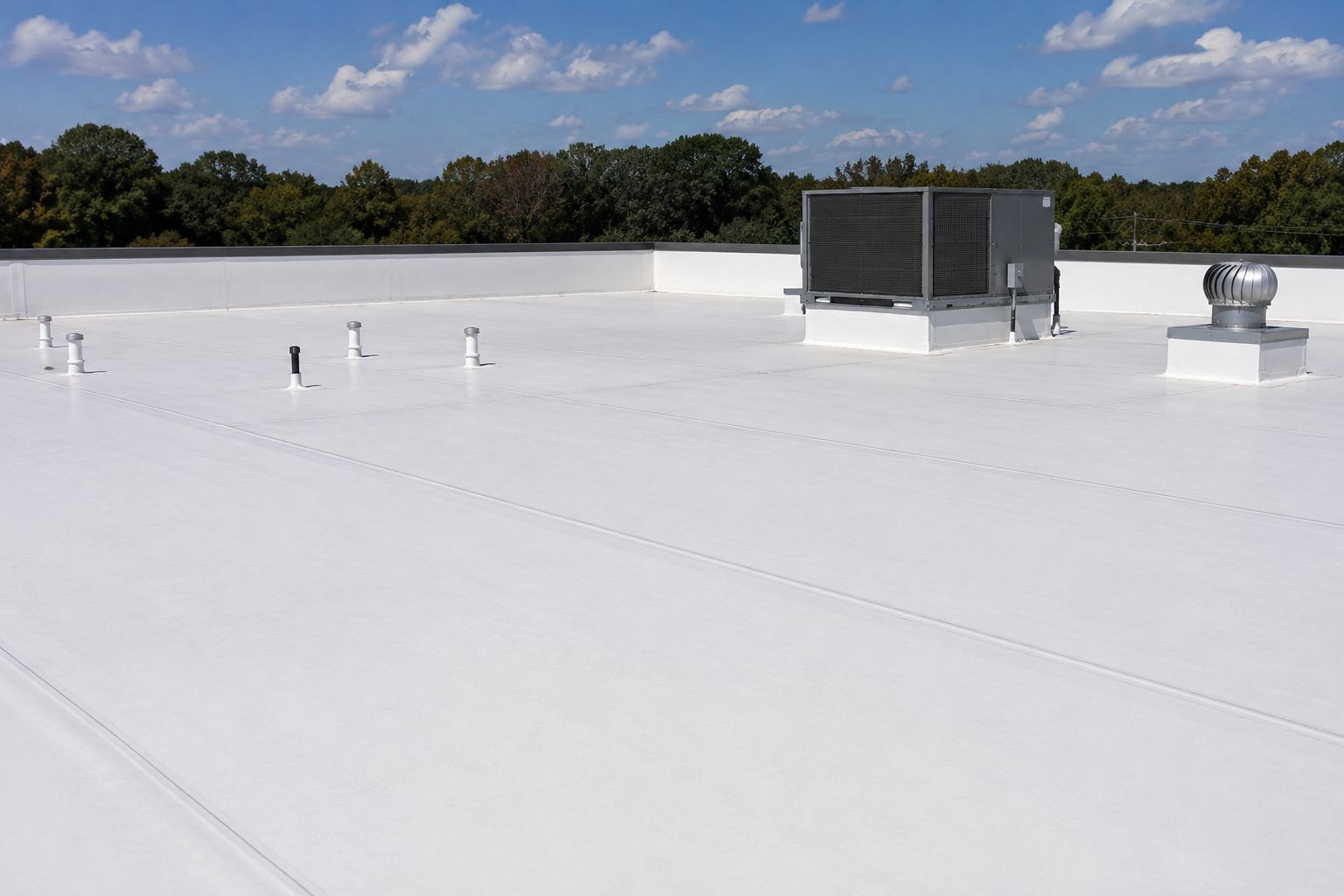
TPO roofing is a single-ply membrane composed of a blend of polypropylene and ethylene-propylene rubber. It is manufactured in sheets that can be mechanically attached, fully adhered, or ballasted, depending on building requirements and local regulations. TPO membranes are typically white or light-colored, which helps reflect sunlight and reduce heat absorption, contributing to energy savings. Unlike some other roofing systems, TPO does not require multiple layers of insulation or complex installation techniques, making it a practical choice for low-slope commercial roofs.
Key Features of TPO
Energy Efficiency: High solar reflectivity and thermal emittance reduce the amount of heat absorbed by the building, which can lower cooling costs significantly.
- Durability: TPO offers strong resistance to punctures, tears, and chemical exposure, making it suitable for industrial and commercial environments with high wear.
- Flexibility: The membrane accommodates building movement and thermal expansion, reducing the likelihood of cracks and leaks over time.
- Ease of Installation: TPO sheets are lightweight, and seam welding ensures a tight, weatherproof seal, making installation faster and often more cost-effective than multi-layered roofing systems.
Understanding these fundamental characteristics is essential when considering TPO for a commercial property. While its benefits are compelling, assessing building-specific factors is crucial before making a final decision.
Benefits of TPO Roofing for Commercial Properties
- Energy Savings and Environmental Impact:- One of the most significant advantages of TPO roofing is its energy efficiency. Its reflective surface reduces heat absorption, helping maintain cooler interior temperatures during hot weather. This can lead to noticeable savings in air conditioning costs, particularly for large commercial buildings with extensive roof areas. Additionally, many TPO membranes are manufactured with recycled materials, and at the end of their lifespan, they can often be recycled again, aligning with sustainability goals.
- Longevity and Low Maintenance:- TPO roofing provides a long service life when properly installed and maintained. Most TPO systems offer warranties ranging from 15 to 30 years, and the membrane’s resistance to UV rays, ozone, and chemical exposure minimizes degradation over time. Regular inspections and routine cleaning are typically sufficient to preserve the membrane’s integrity, reducing the need for frequent repairs and associated costs.
- Versatility and Design Flexibility:- TPO roofing is compatible with various installation methods, making it suitable for a range of commercial properties, including warehouses, retail centers, office buildings, and industrial facilities. Its flexibility allows it to adapt to irregular roof shapes, penetrations, and rooftop equipment without compromising waterproofing. This versatility makes it easier to integrate TPO into both new construction and retrofit projects.
- Safety and Compliance:-
Many TPO membranes are fire-resistant and meet or exceed industry fire codes, providing additional safety benefits for commercial properties. The material is also resistant to mold, mildew, and algae growth, reducing potential health hazards and liability concerns.
Challenges and Considerations
Temperature Sensitivity
Although TPO roofing performs well in various climates, it can be sensitive to extreme temperature fluctuations. In areas with severe cold or repeated freeze-thaw cycles, the membrane may become brittle or more prone to cracking if not properly installed with suitable insulation and expansion considerations.
Quality Variations in the Market
Not all TPO products are created equal. The industry has seen variations in membrane thickness, formulation, and seam strength. Selecting a high-quality TPO with proven performance data is essential to avoid premature failures or costly repairs. Researching product certifications, warranty terms, and manufacturer reputation can mitigate these risks.
Installation Challenges
While installation is generally straightforward, improper techniques can lead to leaks, weak seams, or membrane damage. Mechanically attached systems require precise fastener placement, and fully adhered systems depend on proper adhesive application. Professional installation is strongly recommended to ensure the membrane performs according to specifications.
Potential for Ponding Water
TPO membranes are designed for low-slope roofs, but water pooling or inadequate drainage can affect the membrane’s longevity. Proper roof slope, drainage planning, and regular inspection of roof drains are essential to prevent water accumulation that can compromise the system.
Comparing TPO to Other Roofing Options
- TPO vs. EPDM:- EPDM (Ethylene Propylene Diene Monomer) is another common single-ply roofing membrane, typically black in color. EPDM is known for its durability and resistance to UV rays. However, black EPDM absorbs heat, which can increase cooling costs, particularly in warm climates. TPO, with its reflective white surface, often provides superior energy savings. Additionally, TPO seams are heat-welded, which generally provides a more watertight seal compared to the adhesive-based seams in EPDM.
- TPO vs. PVC:- PVC (Polyvinyl Chloride) roofing shares many similarities with TPO in terms of energy efficiency, durability, and flexibility. However, PVC often contains plasticizers that can leach over time, potentially reducing membrane lifespan. TPO offers comparable performance without the same chemical concerns, making it a cost-effective and environmentally favorable alternative.
- TPO vs. Modified Bitumen:- Modified bitumen roofs are built-up, multi-layered systems that can be heavy and complex to install. While they provide excellent durability, installation is more labor-intensive, and repairs can be more challenging. TPO membranes offer a simpler, lighter-weight solution that is easier to maintain while still providing robust protection against weather and mechanical stress.
- Real-World Decision-Making:-
The choice between TPO and other roofing systems ultimately depends on property-specific factors such as budget, climate, roof slope, and long-term maintenance expectations. Evaluating energy costs, potential tax incentives for reflective roofing, and building lifecycle considerations can guide the selection process.
Best Practices for TPO Roofing Installation and MaintenanceBest Practices for TPO Roofing Installation and Maintenance
Pre-Installation Planning
Proper planning before installation can significantly influence the roof’s performance. Assess roof structure, insulation needs, drainage patterns, and potential areas of mechanical stress. Selecting a TPO membrane with appropriate thickness and reinforcement for the building’s specific use ensures long-term durability.
Professional Installation
Professional installation is critical for maximizing the benefits of TPO roofing. Seam welding, fastener placement, and membrane attachment methods must follow manufacturer guidelines. A professional approach reduces the risk of leaks, improves wind resistance, and ensures warranty compliance.
Routine Inspections
Regular roof inspections help identify minor issues before they escalate into major problems. Check for membrane punctures, seam separation, or debris accumulation. Cleaning the roof surface periodically maintains reflectivity and minimizes the risk of mold or algae growth.
Maintenance Tips
- Keep roof drains and scuppers clear to prevent ponding water.
- Avoid sharp tools or heavy machinery directly on the membrane.
- Address any roof penetrations, HVAC equipment, or foot traffic areas with protective pads or walkway systems.
- Follow manufacturer-recommended cleaning solutions to avoid chemical damage.
Long-Term Value of TPO Roofing
- Cost Considerations:- TPO roofing typically offers a lower initial cost compared to PVC or built-up roofing systems while providing similar durability and energy savings. When factoring in reduced maintenance, extended service life, and potential energy rebates, the long-term return on investment can be substantial. Property owners who prioritize upfront savings without compromising performance often find TPO an attractive option.
- Sustainability and Environmental Benefits:- TPO’s reflective surface contributes to energy conservation by lowering cooling requirements. Many municipalities and commercial property programs provide incentives for reflective roofing, potentially offsetting installation costs. Additionally, TPO membranes are often recyclable at the end of their lifecycle, making the roofing choice environmentally responsible.
- Adaptability to Future Needs:- Commercial properties evolve over time, with changes in HVAC systems, rooftop equipment, or expansions. TPO roofing’s lightweight and flexible nature accommodates these changes more easily than heavier or more rigid roofing systems, reducing retrofit complexity and cost.
Trusted, Expert Roofing Solutions for Commercial Properties
Choosing the right roofing solution is a strategic investment that balances performance, cost, and longevity. TPO roofing provides an attractive combination of energy efficiency, durability, and ease of maintenance, making it suitable for a wide range of commercial properties. Understanding its strengths, potential limitations, and installation best practices is essential for ensuring optimal performance over time. By evaluating property-specific needs, comparing alternative systems, and prioritizing professional installation, stakeholders can make confident decisions that protect their investment and support long-term operational goals.
At Pinnacle Roofing
in West Haven, CT, we bring 30
years of experience to every commercial roofing project. Our expertise ensures precise TPO installation, adherence to best practices, and ongoing support for maintenance and repairs. With a focus on energy-efficient solutions and long-term durability, Pinnacle Roofing
provides reliable, trusted guidance to help commercial properties achieve optimal roofing performance. We are committed to delivering results that protect investments and enhance property value for decades.