Is EPDM Roofing Worth It? A Straight Look at the Benefits and Drawbacks
You climbed a ladder last weekend to clear leaves off the flat section over your back porch, and the surface felt different than you expected. Soft in spots. A little tacky in the afternoon sun. Maybe you noticed a seam lifting at the edge, or a faint stain starting to spread across the ceiling below. Now you are reading everything you can find about rubber roofing, and one name keeps surfacing: EPDM.
Here is the short answer before the deep dive. EPDM is one of the most dependable membranes you can put on a flat or low slope roof, and on the right surface it earns its keep for 20 to 30 years. It is not the correct choice for every situation, and it carries real tradeoffs in appearance, seam care, and heat. The honest version of this decision comes down to your roof slope, your exposure, and how the membrane gets installed. After inspecting hundreds of these roofs across southern Connecticut, we can tell you the failures almost never come from the rubber itself. Trouble starts at seams, flashing, and corners that were rushed.
EPDM stands for ethylene propylene diene monomer, a single ply synthetic rubber membrane built for flat and low slope roofs. You see it on additions, porches, dormers, and the back sections of capes and ranches all over our area. The real question is not whether EPDM is good. It is whether it fits your roof and gets installed the right way.
The Benefits of EPDM Roofing
Most of what makes EPDM worth choosing comes down to how it behaves over decades, not how it looks on day one.
A long service life that handles New England weather
A properly installed EPDM membrane lasts 20 to 30 years, and it shrugs off the sun and ozone exposure that breaks down weaker materials. On the shoreline, where a roof might bake near 150 degrees in July and sit under ice in January, that resistance matters. We regularly inspect rubber roofs in West Haven that are well past 20 years and still watertight everywhere the seams were done right.
It stays flexible when temperatures swing
Rubber expands and contracts with the weather, and EPDM keeps that flexibility down into single digit temperatures without cracking. Connecticut winters that drop below 10 degrees and then thaw a few days later are exactly the conditions that split rigid materials. A membrane that moves with the roof instead of fighting it holds up far longer at the edges and corners.
Repairs are simple and rarely mean tearing off the roof
When EPDM gets damaged, you usually fix the spot, not the whole roof. A clean puncture or a lifted seam gets cleaned, primed, and covered with a patch in an afternoon. That keeps small problems small. On most service calls we handle a localized repair and the rest of the membrane keeps doing its job for years.
It goes on fast and adds almost no weight
EPDM is a single ply system, so it installs quickly with fewer interruptions to your home, and it puts very little load on the structure below. For the low slope additions and porch roofs common around West Haven, that light weight is a genuine advantage on framing that was never built to carry heavy roofing.
The Drawbacks of EPDM Roofing
No roofing material is all upside, and EPDM has weaknesses worth weighing honestly before you commit.
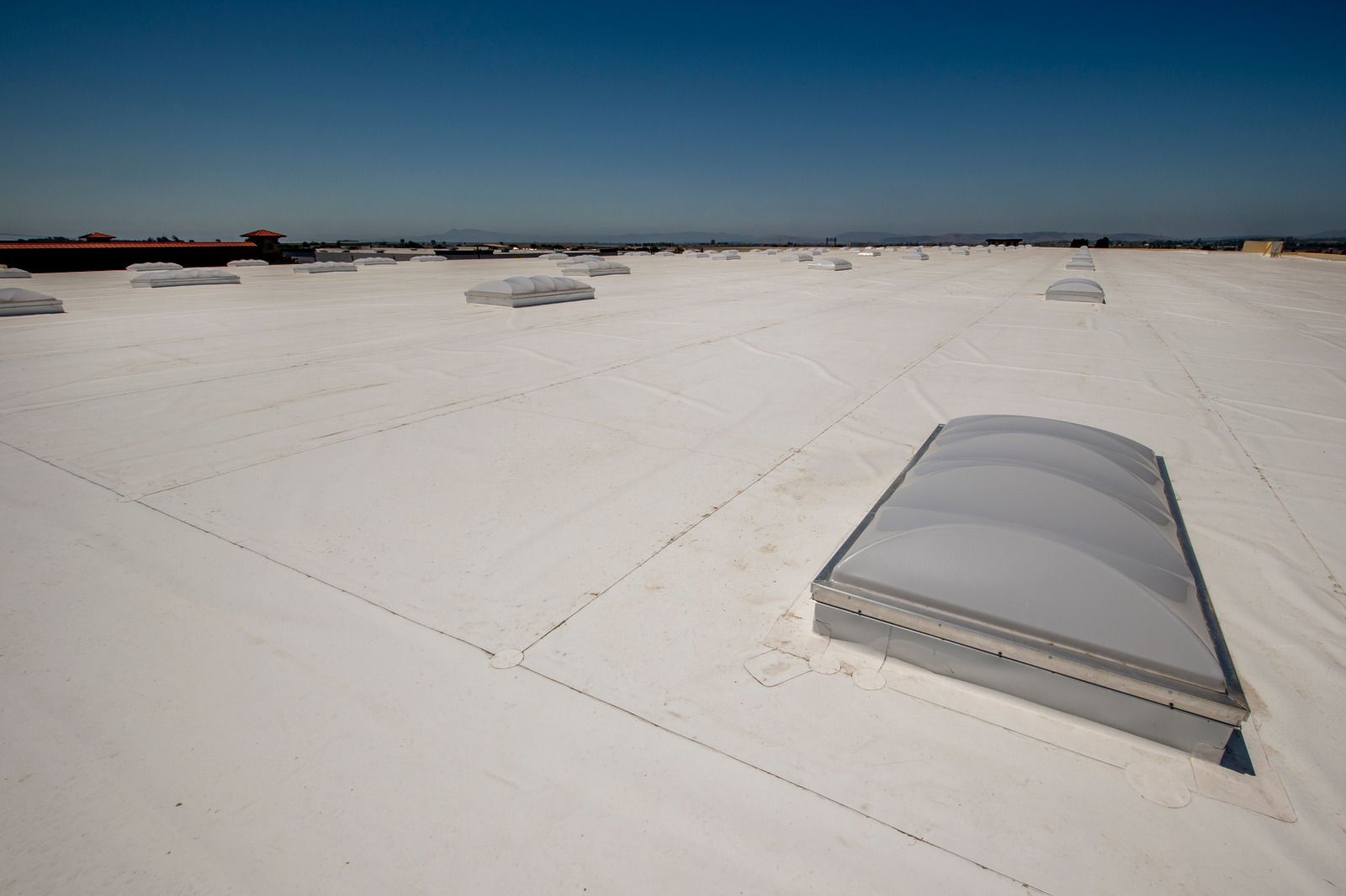
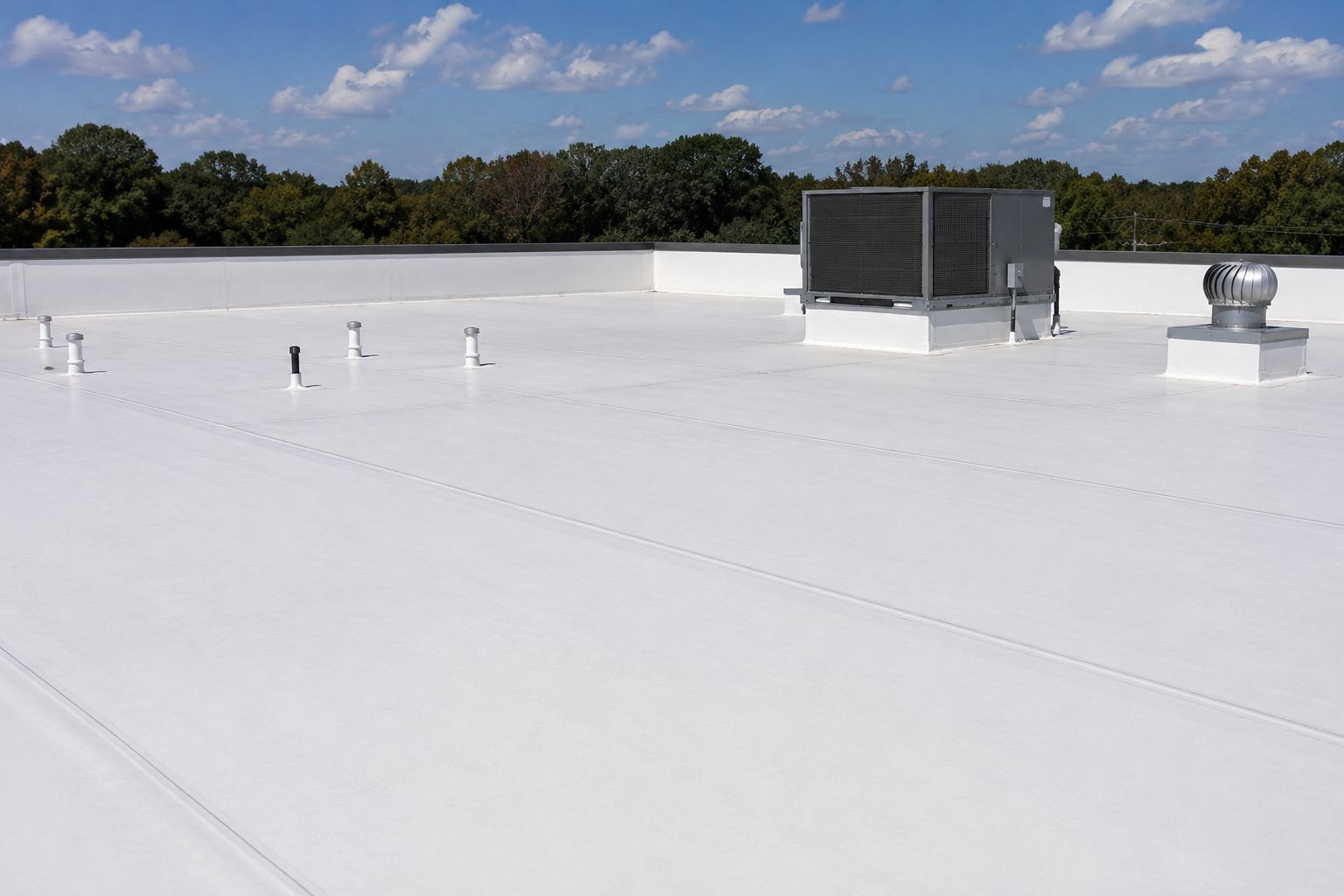
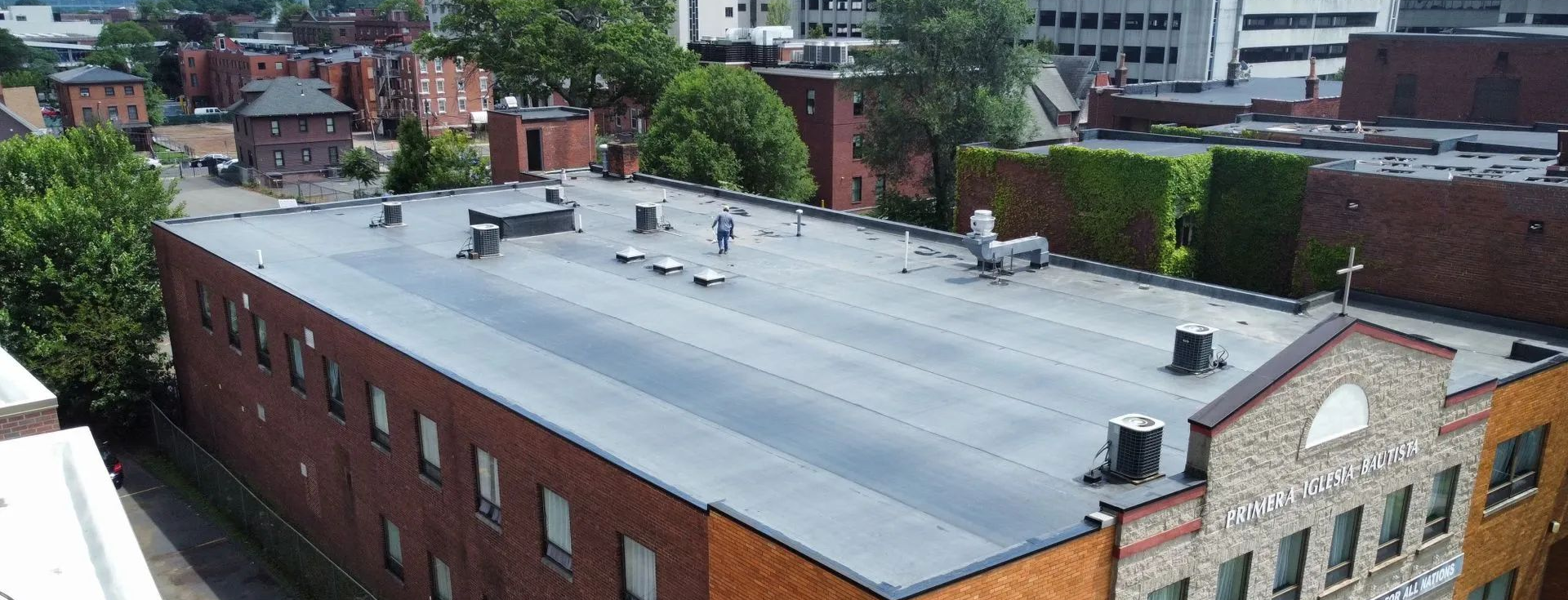
- It is not going to win any curb appeal awards- Standard EPDM is flat black rubber, and it looks like exactly that. On a hidden flat section behind a peak, no one notices. On a roof that faces the street or sits below a second story window, the plain look bothers some homeowners. Lighter membranes exist, but the classic black version is what most people picture, and it is purely functional.
- The seams and flashing are where trouble starts:- EPDM almost never fails in the open field of the membrane. It fails where two sheets meet and where the rubber turns up against walls, vents, and edges. Older adhesive seams lose grip over the years as the rubber tugs at every bond with each hot and cold cycle. Standing water then finds the smallest gap. Most leaks we trace on these roofs lead back to a seam or a flashing detail, not a hole in the middle.
- The black membrane soaks up heat:- A black EPDM surface can reach 160 degrees or more on a sunny summer afternoon. That heat radiates into the space below and slowly works on the membrane itself over the decades. On the south facing low slope roofs around West Haven that catch full afternoon sun, this matters for both attic comfort and long term aging. A reflective coating or a lighter membrane can offset it, but the standard product runs hot.
- It can be punctured more easily than you expect:-
EPDM is tough against weather but soft against sharp impact. A branch dropped in a storm, a dragged ladder, or someone walking carelessly to service a unit can open the membrane. We see this often where a satellite dish, an antenna, or a rooftop unit gives people a reason to climb up. Once water gets under the rubber, the damage spreads quietly before you ever see a stain.
How These Roofs Behave on the Shoreline
Living this close to Long Island Sound changes the math on a flat roof. Salt air is mildly corrosive to metal flashing and fasteners, so the details around your edges age faster here than inland. Coastal storms drive rain sideways into seams that a gentle shower would never reach. And the freeze and thaw cycles we get each winter, sometimes several in a single week, work at every adhesive bond on the roof. None of this rules out EPDM. It just means the install quality and yearly inspections matter more in West Haven than in a drier, calmer climate.
Frequently Asked Questions
How long does an EPDM roof last?
On a properly installed low slope roof, expect 20 to 30 years of service. Lifespan depends on seam quality, sun exposure, and how often debris and ponding water get cleared. Well maintained membranes in our coastal area routinely reach the upper end of that range, while neglected ones fall short. Yearly inspections and prompt seam repairs are what push a rubber roof toward thirty years.
Can you safely walk on an EPDM roof?
You can, but step carefully and only when necessary. The membrane is soft, so a dropped tool, a twisting heel, or a dragged ladder can puncture it. If you must go up to clear leaves, wear flat soled shoes and stay off the seams entirely. Spread your weight, move slowly, and avoid the roof altogether on hot afternoons when the rubber turns soft and vulnerable.
Why does EPDM leak at the seams?
Older seams rely on adhesive that loses grip as it ages and gets pulled by daily expansion and contraction. Standing water then sits at low points and works into any gap that opens. Most leaks we trace on these roofs start at a seam, a corner, or a flashing detail rather than the open field. That is why we inspect every seam and edge closely.
Does EPDM hold up in Connecticut winters?
It does well in cold. The rubber stays flexible through the deep freezes and thaws common along our shoreline, so it does not crack the way some stiffer membranes do. The bigger winter concern here is ice buildup and ponding at the edges, which we check after every storm. Clearing snow from low points and keeping drains open protects the membrane through the worst stretches.
Can EPDM be repaired or does it need full replacement?
Most issues are repairable. A clean puncture or a lifted seam can be primed and covered without touching the rest of the roof, which keeps small problems small. Full replacement only makes sense once the membrane shows widespread shrinkage, brittleness, or seam failure spread across multiple sections rather than one isolated spot. We always weigh a targeted repair first before recommending a complete tear off.
Experienced Roofers Protecting West Haven Homes Year Round
The core lesson holds across every flat roof we inspect:
EPDM
rarely fails because of the rubber itself. It fails at the seams, the flashing, and the corners, which means the install matters more than the material. That truth carries extra weight along the shoreline, where wind driven rain, salt air off Long Island Sound, and back to back freeze and thaw cycles put steady pressure on every edge and detail. A membrane that looks fine from the ground can be quietly lifting where you cannot see it. If your flat or low slope roof is due for a closer look, we can help. Pinnacle Roofing
has spent 30
years on roofs across West Haven, CT and the surrounding areas. Call us for a straight inspection and a clear plan.