The Advantages of PVC Roofing for Durable and Energy-Efficient Buildings
In the modern construction landscape, building owners and designers are increasingly prioritizing materials that deliver long-term durability and enhanced energy efficiency. Roofing systems play a pivotal role in this regard, serving as both a protective barrier and a critical factor in a structure’s overall performance. Among the range of roofing options available today, PVC (polyvinyl chloride) roofing has emerged as a leading solution, combining strength, flexibility, and sustainability. Its growing adoption in both commercial and residential projects reflects the industry's demand for roofing materials that endure harsh weather conditions, resist degradation, and contribute to energy conservation.
PVC roofing distinguishes itself with a unique set of characteristics that support structural longevity while offering significant cost savings over time. Beyond its physical durability, PVC membranes excel in reflecting heat, reducing cooling loads, and promoting energy efficiency—a key consideration in the push toward environmentally responsible construction practices. The material’s low maintenance needs, repairability, and ability to integrate with rooftop systems such as solar panels or HVAC units further enhance its value proposition. As buildings become more complex and operational costs rise, selecting the right roofing solution is no longer just about protection but also about performance optimization. This blog explores the numerous advantages of PVC roofing, offering insight into its durability, energy efficiency, maintenance benefits, and best practices, providing a comprehensive understanding for informed decision-making in roofing projects.
Exceptional Durability and Longevity
- Resistance to Harsh Weather Conditions:- PVC roofing stands out for its ability to withstand extreme weather conditions without compromising structural integrity. The material is highly resistant to ultraviolet (UV) rays, chemical exposure, and fluctuating temperatures, making it ideal for climates with intense sun or frequent storms. Unlike traditional roofing systems that can crack, warp, or deteriorate under prolonged environmental stress, PVC maintains its strength and flexibility over decades. For example, in coastal areas, PVC membranes resist saltwater corrosion and can endure wind uplift, providing reliable protection for high-exposure buildings.
- Longevity Compared to Other Roofing Materials:- Longevity is a critical factor when considering roofing investments. PVC roofs often last 20–30 years, significantly exceeding the lifespan of asphalt shingles or standard modified bitumen. This extended lifespan reduces replacement frequency, lowers lifecycle costs, and minimizes environmental impact by reducing waste. Furthermore, PVC’s seamless membrane design eliminates weak points where water infiltration or mechanical damage typically occurs, further enhancing durability.
- Resistance to Punctures and Tears:- High-traffic areas, rooftop equipment, or debris can pose significant risks to conventional roofing systems. PVC roofing is engineered to resist punctures, tears, and mechanical damage, providing a robust barrier that sustains its protective function even under challenging conditions. In practical terms, this resistance translates to fewer repair needs, reduced maintenance expenses, and uninterrupted protection for sensitive interior spaces.
Energy Efficiency and Cost Savings
Reflectivity and Heat Reduction
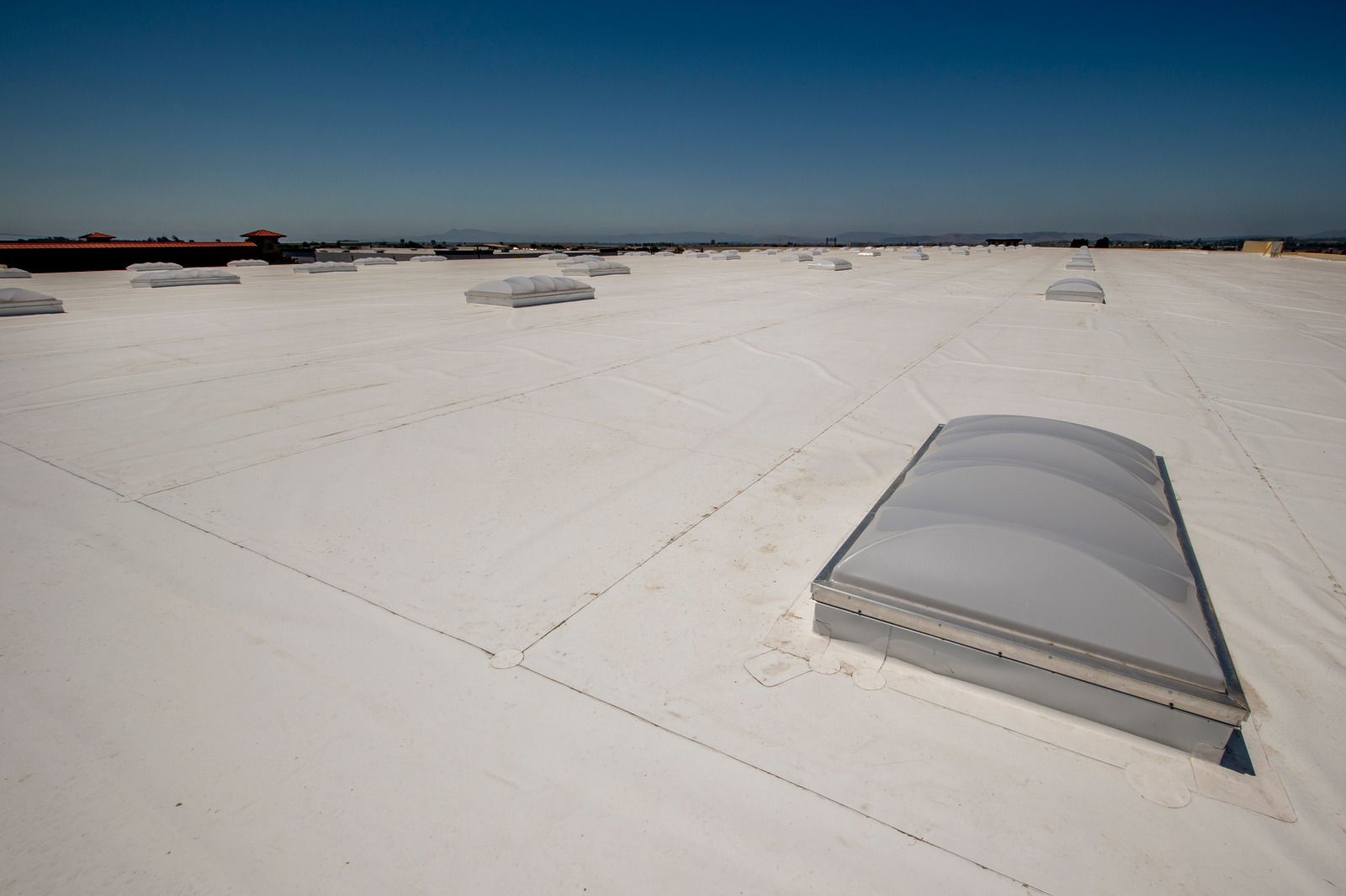
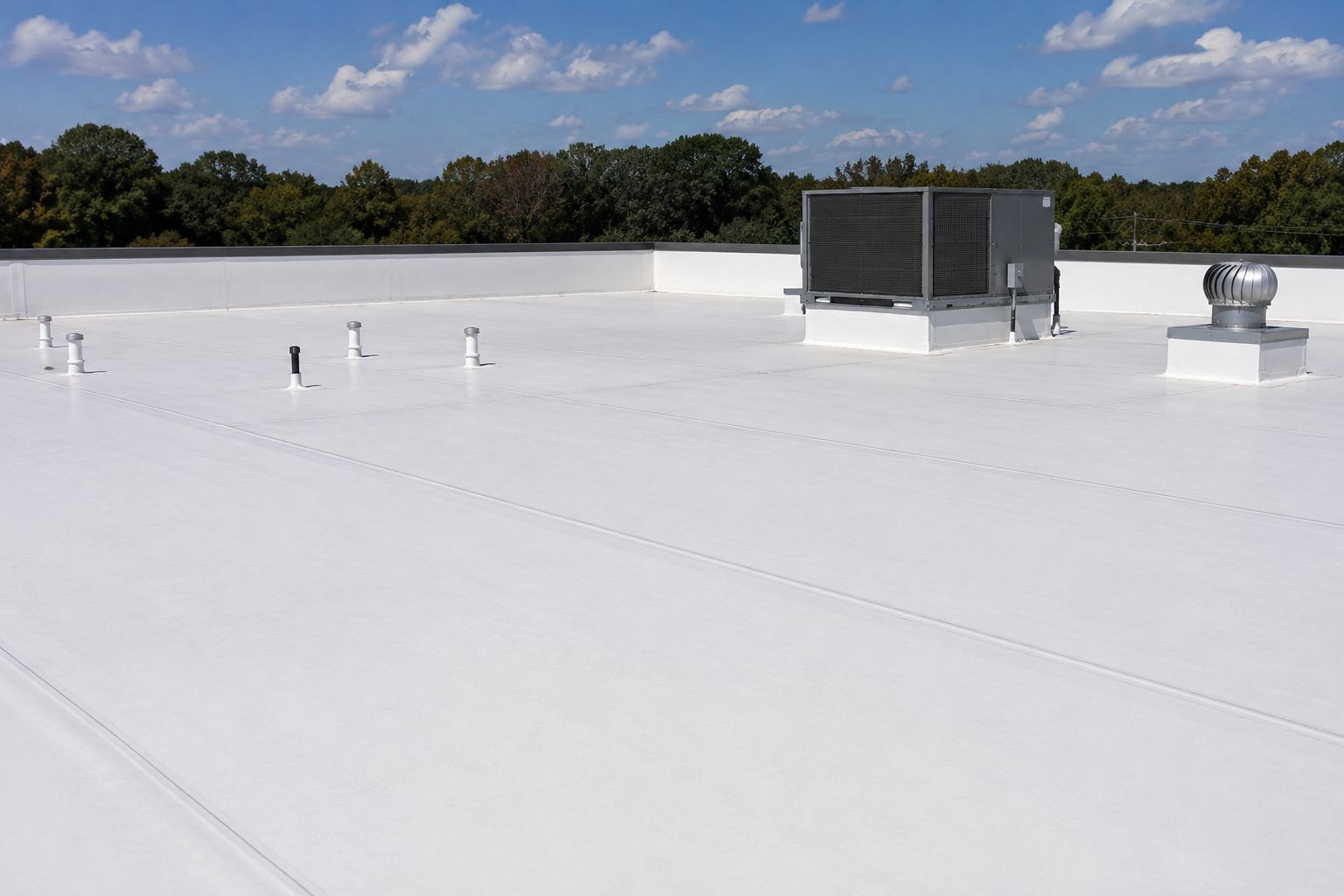
One of PVC roofing’s most significant advantages is its energy efficiency. PVC membranes typically feature reflective surfaces that deflect solar radiation, reducing heat absorption and lowering indoor temperatures. This characteristic decreases reliance on air conditioning systems, leading to substantial energy cost savings, especially in commercial buildings with expansive roof surfaces. Studies have shown that reflective PVC roofs can reduce rooftop temperatures by up to 60°F compared to traditional dark-colored roofing materials, directly impacting energy consumption and operational costs.
Improved Insulation Performance
PVC roofing systems can be installed in combination with insulating layers, enhancing thermal resistance and minimizing heat transfer into the building. The result is a more stable interior environment, improved occupant comfort, and reduced energy expenditure for heating and cooling. In industrial and commercial settings, this can translate to measurable operational savings, particularly during peak temperature seasons.
Contribution to Sustainable Building Standards
Energy-efficient roofing contributes to sustainability certifications such as LEED (Leadership in Energy and Environmental Design). PVC roofing, with its reflective properties and potential for recycled content, aligns with environmentally responsible building practices. Choosing PVC supports long-term sustainability goals, reduces the carbon footprint, and demonstrates a commitment to energy-conscious construction strategies.
Ponding Water
Flat or low-slope roofs may experience water pooling after rainfall or melting snow. If ponding water persists for more than 48 hours, it can accelerate coating breakdown, create structural stress, and promote mold growth. Areas with recurring ponding should be closely examined for coating integrity, underlying roof damage, and reapplication needs to prevent further deterioration.
Low Maintenance and Ease of Repairntal and Climate Factors
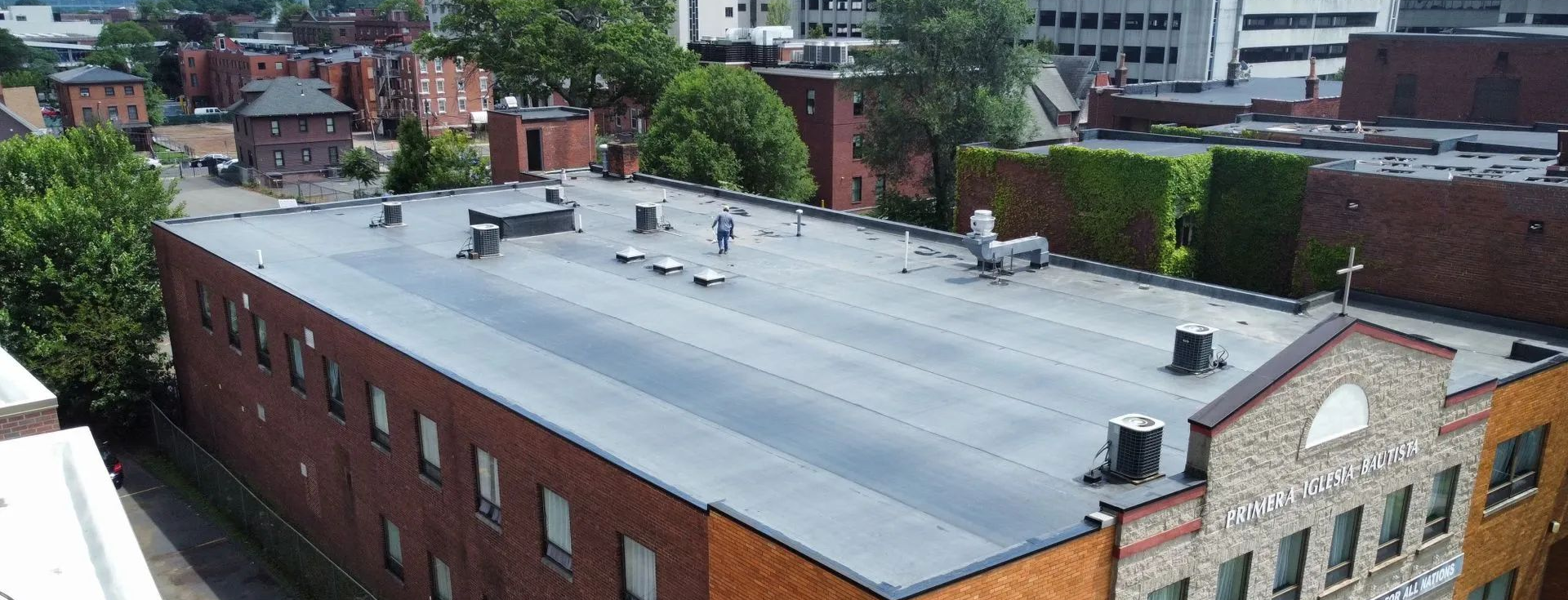
- Seamless Installation and Leak Prevention:- PVC roofing is typically installed as a single, continuous membrane, minimizing seams where water or debris can penetrate. This seamless design significantly reduces the risk of leaks, water damage, and associated structural deterioration. Buildings with flat or low-slope roofs benefit particularly from this attribute, as water drainage challenges are common in these designs. The reduction in leaks also decreases maintenance costs over the roof’s lifespan, freeing resources for other building management priorities.
- Simple Cleaning and Upkeep:- Routine maintenance of PVC roofs is straightforward. The smooth surface resists dirt, mold, and algae accumulation, simplifying cleaning processes and extending the membrane’s aesthetic appeal. Unlike other roofing systems that may require specialized cleaning chemicals or labor-intensive procedures, PVC can be maintained with minimal effort, reducing labor costs and operational disruption.
- Efficient Repairs and Longevity Extension:- In the event of damage, PVC roofing allows for localized repairs without the need for extensive replacement. Patches or sections can be replaced quickly and seamlessly, restoring the roof’s performance without compromising the entire system. This repair efficiency contributes to overall lifecycle management, providing a cost-effective approach to sustaining roof integrity and functionality over decades.
Flexibility and Adaptability for Various Structures
Compatibility with Roof Designs
PVC roofing adapts to a wide range of building designs and structural requirements. It can accommodate flat roofs, low-slope roofs, and complex rooftop layouts, making it suitable for commercial facilities, industrial warehouses, and modern residential projects. Its flexibility during installation ensures that intricate details, such as corners, parapets, and roof penetrations, are securely sealed, minimizing weak points.
Integration with Rooftop Equipment
Commercial and industrial buildings often feature rooftop HVAC systems, solar panels, or communication equipment. PVC roofing accommodates these installations with ease, allowing for secure flashing and penetration sealing. The material’s pliability ensures that additions or modifications can be made without compromising water tightness or structural performance.
Expansion and Contraction Resilience
Temperature fluctuations can cause roofing materials to expand and contract, leading to cracking or membrane failure over time. PVC roofing exhibits excellent dimensional stability, resisting the stresses associated with thermal movement. This characteristic is particularly advantageous in regions with extreme seasonal temperature variations, as it preserves the roof’s integrity and reduces repair frequency.
Cost-Effectiveness Over the Long Term
- Lower Lifecycle Costs:- While the initial investment for PVC roofing may be higher than traditional asphalt or single-ply systems, the long-term cost savings are substantial. Extended lifespan, low maintenance requirements, and energy efficiency contribute to reduced total ownership costs. Over decades, these savings can outweigh the upfront expenditure, providing a financially sound investment for building owners.
- Reduced Insurance and Risk Costs:- Durable, weather-resistant roofing systems can lower insurance premiums by mitigating risks associated with water damage, structural failure, and fire hazards. PVC’s inherent resistance to fire and chemical exposure enhances safety, reducing potential liability and protecting valuable assets.
- Minimal Environmental Impact:- PVC roofing can include recycled materials in its production and is fully recyclable at the end of its life, aligning with circular economy principles. Reduced maintenance, extended durability, and energy savings further minimize the environmental footprint, making PVC a responsible choice for environmentally conscious construction projects.
Real-World Applications and Success Stories
Residential Adaptations
Although often associated with commercial construction, PVC roofing is increasingly applied in residential projects. Homeowners seeking low-maintenance, long-lasting roofing solutions appreciate its seamless appearance and energy-saving potential. Residential applications highlight PVC’s adaptability, aesthetic options, and contribution to energy-conscious living environments.
Energy Efficiency
A well-maintained reflective coating reduces heat absorption, lowering cooling costs, improving indoor comfort, and contributing to energy efficiency. Faded or worn coatings lose their reflective properties, increasing energy consumption, indoor heat, and utility bills. Regular reapplication ensures the roof continues to deliver these benefits effectively.
Case Study: Coastal Application
In coastal regions where saltwater exposure and high winds pose challenges, PVC roofing has proven highly effective. Buildings equipped with PVC membranes demonstrate exceptional resistance to corrosion, wind uplift, and UV damage, illustrating the material’s ability to maintain performance under demanding environmental conditions. This real-world success underscores PVC’s suitability for a wide range of climates and structural needs.
Expert Installation and Maintenance by Pinnacle Roofing Specialists
PVC roofing represents a strategic investment in durability, energy efficiency, and long-term building performance. Its resistance to harsh weather, seamless design, and flexibility make it an ideal choice for commercial, industrial, and residential applications. Beyond structural advantages, PVC contributes significantly to energy savings, operational cost reduction, and sustainable construction practices. Low-maintenance requirements and efficient repairability further enhance its value, ensuring reliable protection and extended lifespan.
At Pinnacle Roofing, located in West Haven, CT, our 30
years of experience in roofing solutions allows us to provide expert guidance on the selection, installation, and maintenance of
PVC roofing
systems. We prioritize quality, performance, and client satisfaction, offering tailored solutions that address specific building needs. Whether protecting a commercial facility or enhancing residential comfort, we deliver professional, durable, and energy-efficient roofing solutions that stand the test of time. Trust Pinnacle Roofing
for expert advice, reliable service, and a commitment to long-term building performance.