5 Common Roofing Problems (and How to Avoid Them)
Your roof works hard to protect your home from the elements, but it’s also one of the most vulnerable parts of your property. Over time, even a high-quality roof can develop issues that lead to serious damage if not addressed early. By understanding the most common roofing problems and how to avoid them, you can extend your roof’s lifespan and save on costly repairs.
1. Roof Leaks and Moisture Damage
Leaks are the most common roofing issue and can result from broken shingles, cracked flashing, or poorly sealed roof penetrations like vents and skylights. Moisture intrusion doesn’t just damage your roof—it can lead to mold, insulation problems, and interior wall stains. To prevent this, inspect your roof seasonally and after heavy storms. Address small problems immediately before they turn into bigger headaches.
2. Poor Installation Practices
Even the most durable roofing materials can fail if not installed correctly. Shingles may lift or blow off, flashing may come loose, and seams in membranes may split. These problems often arise from inexperience or rushed work. The best way to avoid this is by hiring a licensed and experienced roofing contractor who follows manufacturer installation guidelines and local codes. A quality install sets the foundation for a long-lasting roof.
3. Ponding Water on Flat Roofs
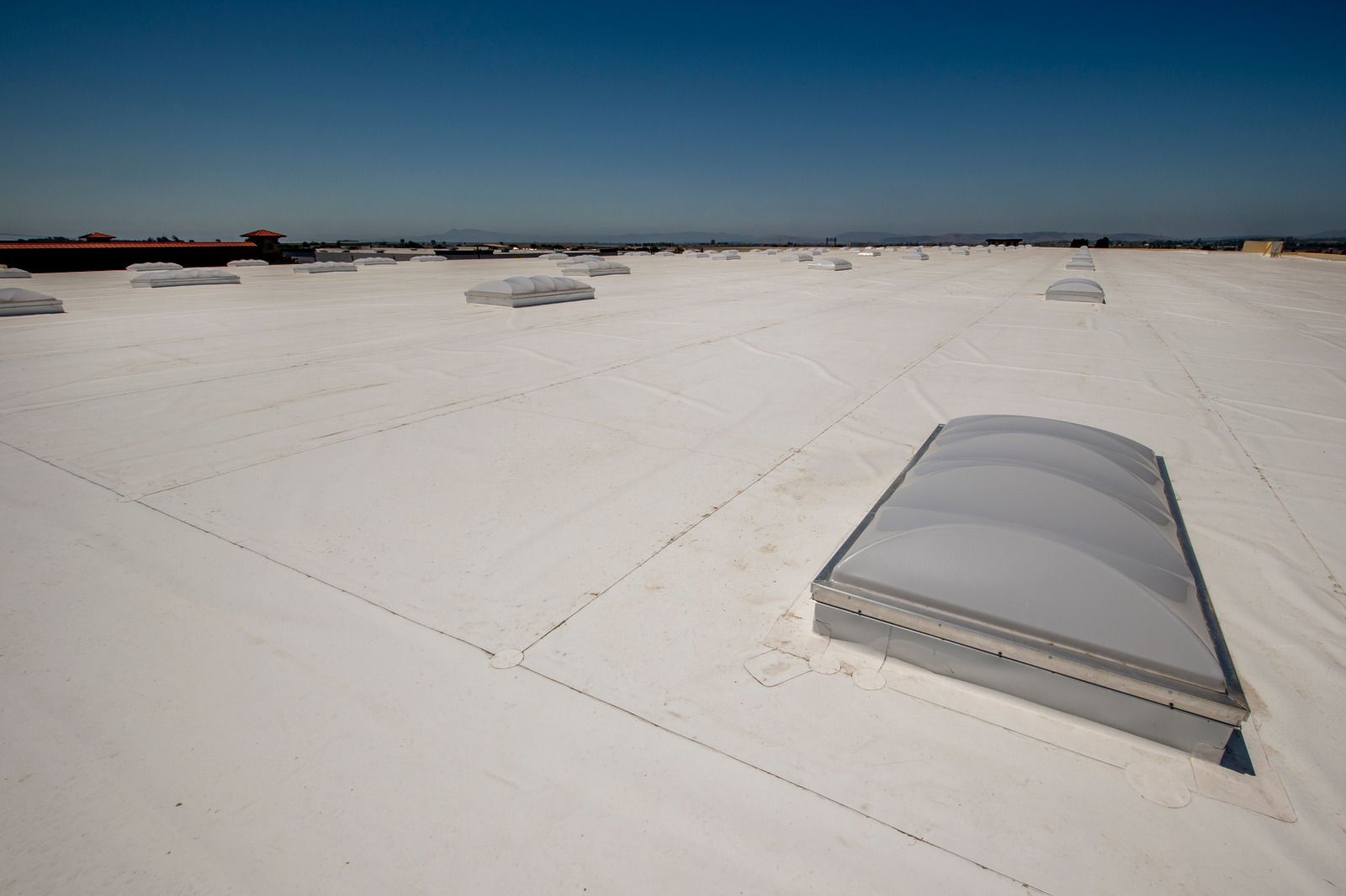
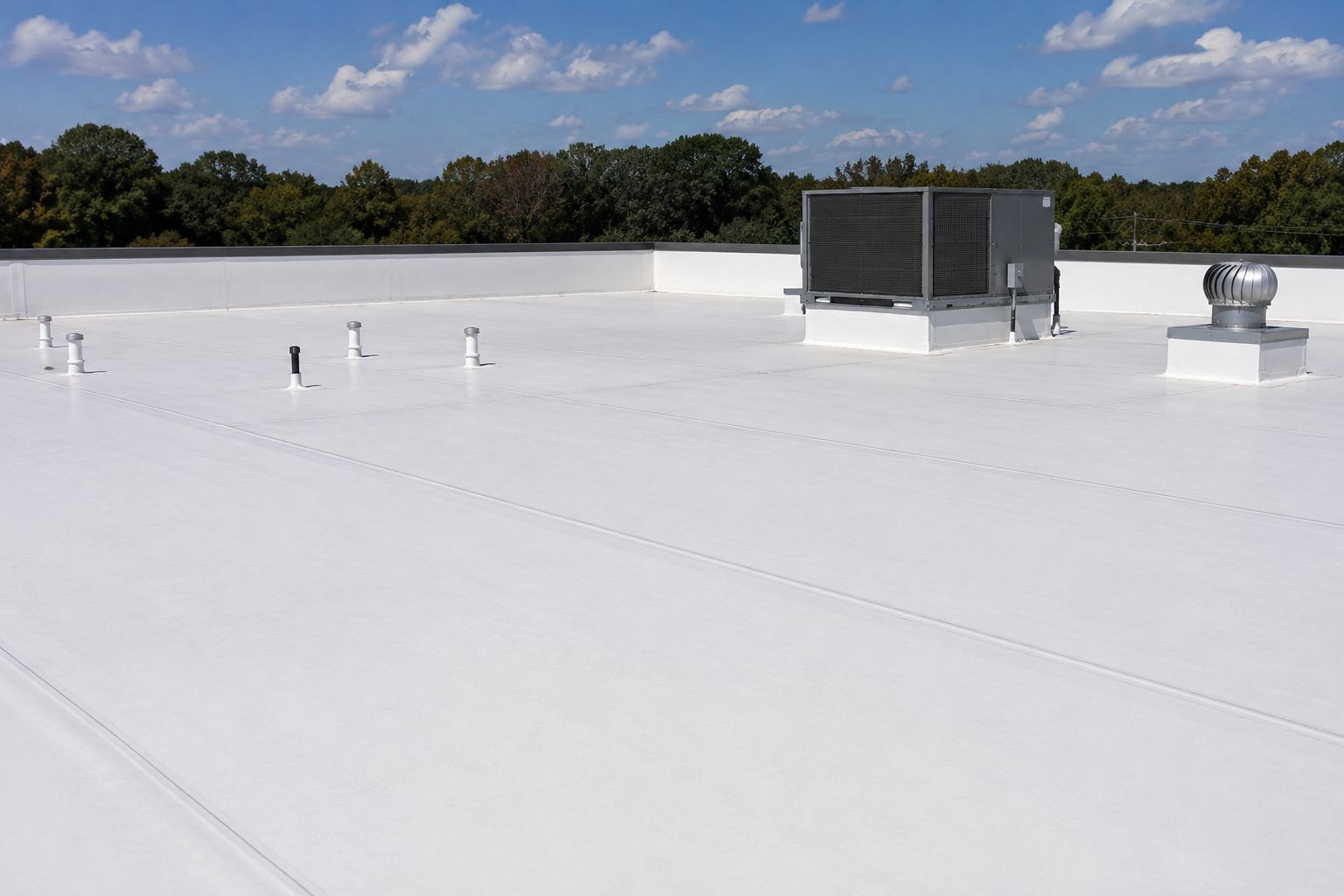
Standing water is particularly problematic on flat and low-slope roofs. Without proper drainage, water can accumulate and seep into the roofing material, causing leaks and accelerating deterioration. Ponding also promotes algae and mold growth. To prevent this, ensure your roof has adequate slope and functional drains. Regular cleaning and inspection can help identify trouble spots before they worsen.
4. Shrinking and Blistering of Roof Materials
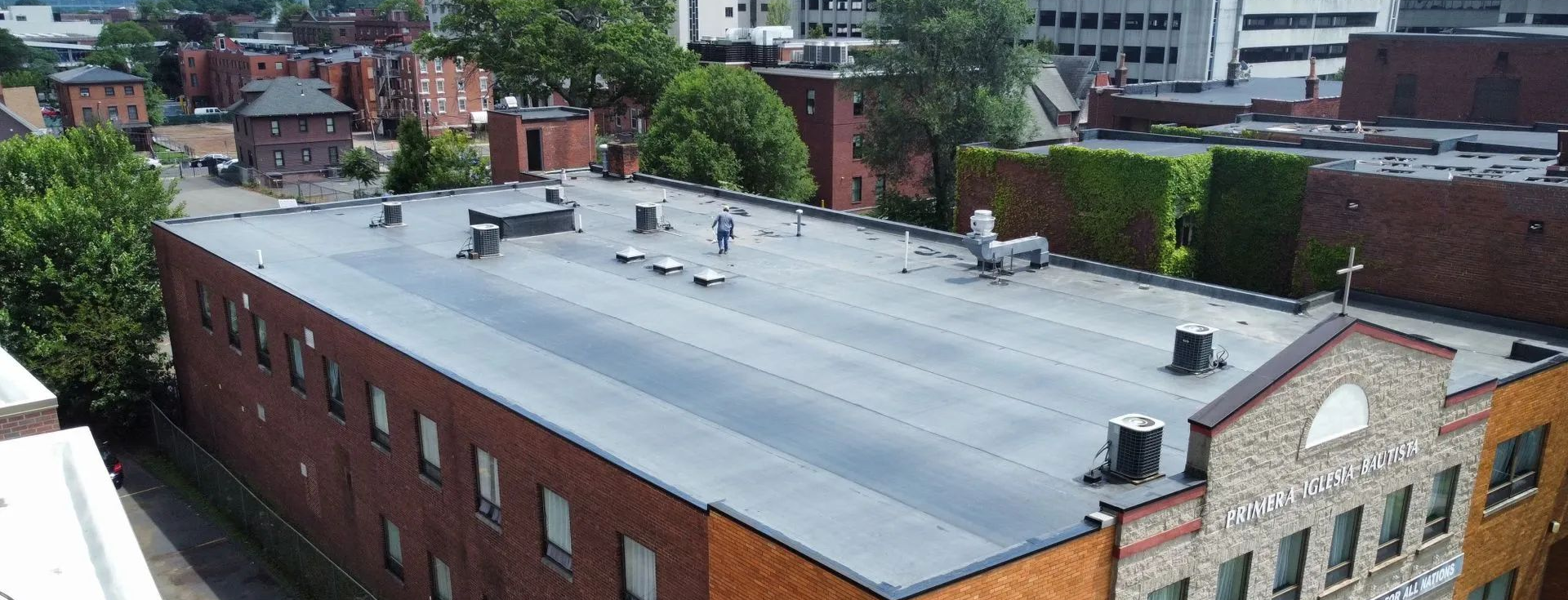
Flat roofing materials like EPDM or modified bitumen can shrink or blister over time, especially in areas with extreme temperature changes. Shrinking can cause pulling around flashings, while blistering weakens the membrane’s surface. These issues often start small but can grow quickly, leading to major leaks. Routine inspections by a professional roofer will catch these problems early and allow for preventative maintenance.
5. Damage from Trees and Severe Weather
Wind, hail, ice, and falling branches can significantly damage your roof. Shingles may go missing, flashing may bend, and debris can clog gutters. Even minor tree branches brushing against the roof can wear down shingle surfaces. To minimize risk, trim overhanging limbs and remove debris regularly. After any major weather event, inspect your roof for visible damage or schedule a professional inspection.
Your home’s safety depends on a strong,
well-maintained roof. Staying ahead of common roofing issues with regular maintenance, prompt repairs, and high-quality workmanship is essential. That’s where Pinnacle Roofing
in West Haven, CT comes in. With 30
years of experience, we’ve helped countless homeowners keep their roofs in top shape through all seasons. Call Pinnacle Roofing today to schedule an inspection or repair and protect your home with the experts West Haven trusts.